
Playing with fire: the cost of binned batteries and electricals
23rd December 2025
Written by: Charlotte Davies
Battery fires aren’t rare, freak accidents. They’re happening every day, in bin lorries and recycling centres and almost all of them start the same way: a battery or electrical item being thrown in the wrong bin.
Behind every statistic is a real moment of danger. A driver forced to dump a burning load onto the road, a recycling worker watching smoke pour from a conveyor belt or firefighters dealing with unpredictable blazes.
The case studies below come from people who have experienced this problem first-hand. From waste and recycling teams on the frontline, to fire officers responding to urgent incidents, to residents whose lives have been disrupted by smoke and road closures.
Together, these stories show that binned batteries and electricals are a growing fire risk that threatens people, property, and essential services and can be stopped if we dispose of batteries and electricals safely. To understand more about how and why these fires start, read our in-depth guide to , with real-life case studies from fire services and waste operators.
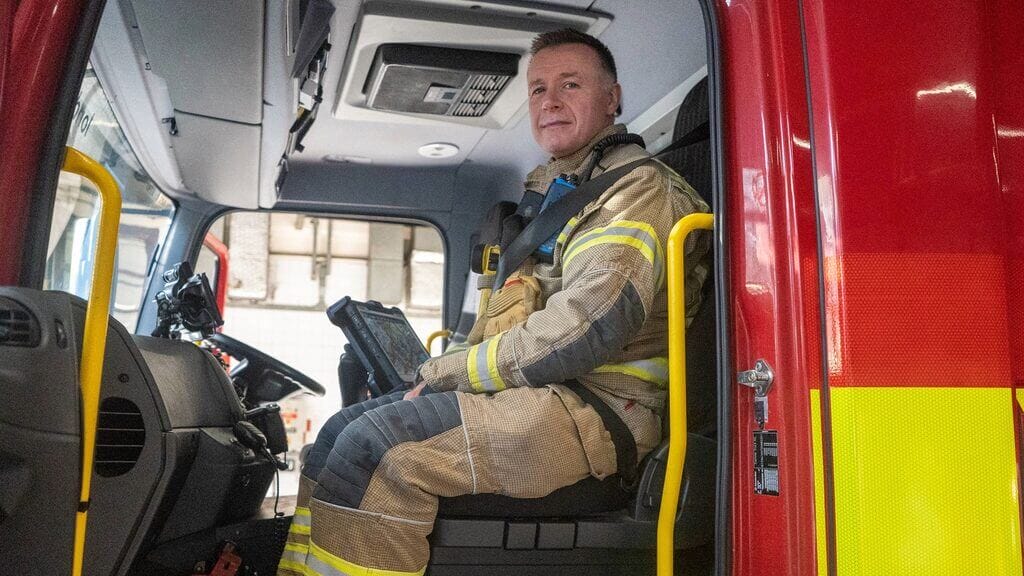
Steven Dasgupta from London Fire Brigade
Steven Dasgupta is London Fire Brigade Sub-Officer based at Mitcham Fire Station. Steven has attended some notable waste centre fires, including an incident at a waste disposal site in Wimbledon last year. The incident was protracted, lasting around four days, with tonnes of rubbish needing removing from within a building to open air to allow firefighters to fully extinguish all of the fire. Steven was part of the relief crew deployed the day after the initial outbreak, focusing his efforts on accessing and relieving deep-seated pockets of fire that were prolonging the incident. The fire had a significant impact on the local community and environment, with residents asked to keep windows and doors closed and a school having to close due to smoke travel. The official cause of this fire was recorded as undetermined but was an example of how impactful waste fires can be when they occur.
“I was part of the relief effort at a large waste centre fire in Wimbledon last year, which was one of the most complex fires of this nature that I have attended. We focused our efforts on reaching and extinguishing deep-seated pockets of fire that were prolonging the incident for days. This wasn’t just a simple bin fire, it was a large-scale response that lasted four days and had a significant impact on the local community as well as our own resources. As is often the case with waste fires, the Brigade was unable to determine an official cause but this fire was an example of how disruptive and impactful waste fires can be. We must all take extra care to help prevent waste fires from happening in the first place. We know that the unsafe disposal of lithium-ion batteries and products is contributing to a greater number of waste fires so we must all take responsibility and dispose of our batteries correctly. Instead, make sure to recycle them properly and help reduce the risk of fires.”

Shawn Howlett from London Fire Brigade
Station Officer Shawn Howlett is based at Soho Fire Station in Central London. He has served at London Fire Brigade for over 30 years. Shortly before 5.30 am on 17 January 2025, Shawn was mobilised to a bin lorry alight on John Adam Street in Soho in Central London. The fire crews, alongside 4 fire engines, were on scene for over 4 hours attempting to fully extinguish the fire. They suspected a lithium-ion battery was responsible for the fire. This fire was particularly challenging because the bin lorry suffered a power failure following the fire and the rubbish had not been tipped prior to firefighters’ arrival. Shawn Howlett is passionate about this growing issue and has been working with waste operators to share best practice to aid firefighter response when these fires occur. But most importantly he is keen to encourage people this festive season and beyond to recycle unwanted electricals responsibly.
“In over thirty years at the fire service, one of the most complex suspected battery fires I attended was earlier this year when a bin lorry caught alight on John Adam Street in Central London. Fortunately, the fire happened in the very early hours of the day so the impact wasn’t as bad as it might have been for the local community. Battery fires are becoming increasingly common. These are usually lithium-ion batteries, which are volatile, reignite suddenly and produce an extremely toxic smoke which should never be inhaled. In particular, waste battery fires can be completely avoidable. The public needs to understand the risks of throwing away their batteries and electrical items in their everyday rubbish. For safe battery recycling advice, including what to do with loose batteries, rechargeable packs and hidden batteries in electricals, visit our dedicated batteries guide. The batteries end up becoming crushed in bin lorries or at waste sites and that is what triggers these fires. For us at the fire service, these incidents on occasion can tie up a huge amount of resources which affects our ability to be able to respond to other emergencies. My Christmas wish is for people to be aware to always recycle, and to never bin their batteries.”
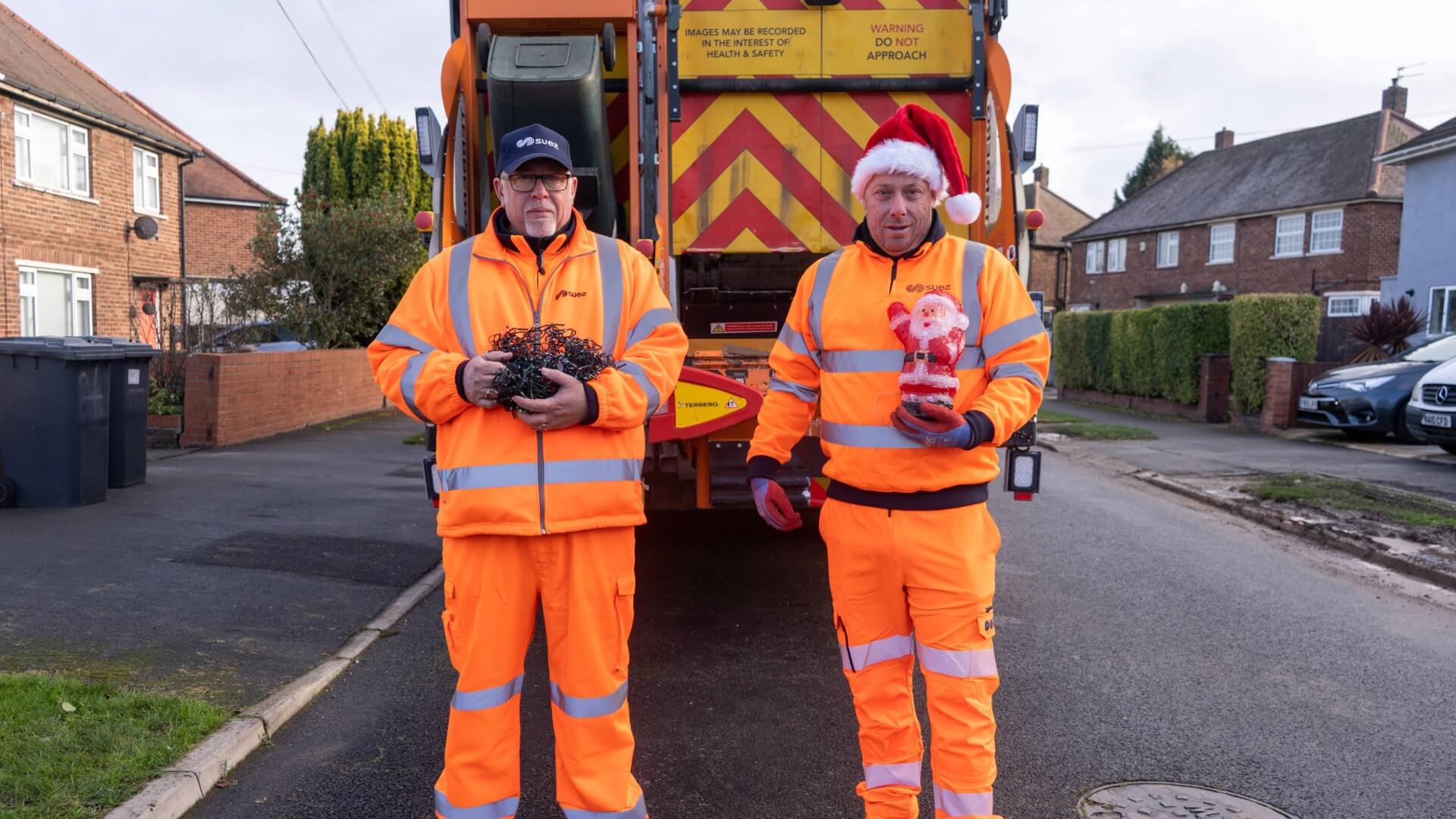
Ricky Taylor and Ian Robinson from Suez
Ricky is a bin lorry loader, and Ian is a bin lorry driver at SUEZ in Doncaster, working within the city and surrounding areas. So far they have experienced three battery fires each this year.
Ricky said: “A fire in the back of a collection vehicle is one of the things we dread most. A battery fire can go from nothing to a full-blown blaze in seconds, putting not just me but the whole crew at risk. In a recent incident, we were told to eject the waste onto the road to stop the fire spreading – this is the safest way to prevent the lorry and its fuel from making the fire worse. The fire brigade attended, checked everything over and advised we could reload the waste… but the fire restarted because the battery was still smouldering. We had to empty the entire load in a residential street while fire crews stayed to make sure it didn’t reignite. It’s really important people realise how common these fires are becoming. Unless we get the message out, more people are at risk of getting seriously hurt.”
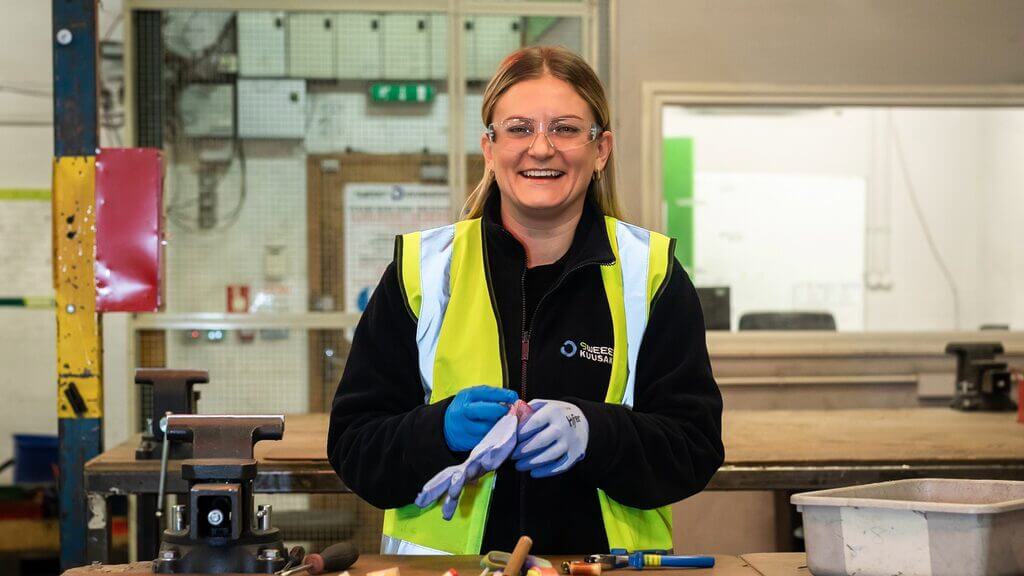
Kamila Walczak from SWEEEP
Kamila works in the Secured Department at SWEEEP, a dedicated waste electrical recycling facility, where she focuses on the safe destruction of data and the critical removal of batteries from electrical waste. The volume of e-waste that Kamila experiences is constantly large, although the Christmas season brings a noticeable increase in items like games consoles, smartphones and earphones, as well as Christmas fairy lights and electrical toys. Kamila frequently sees items discarded, especially in FastTech items where the battery is often glued in.
“When recycling any electrical item, if you can, make sure the battery is removed from the item so that there’s less chance of it being missed and ending up in the wrong waste stream. Most importantly, always recycle electrical waste separately from household recycling or rubbish. Companies like SWEEEP are the correct place for electricals to get recycled safely but we can only do that when they are safely recycled.”
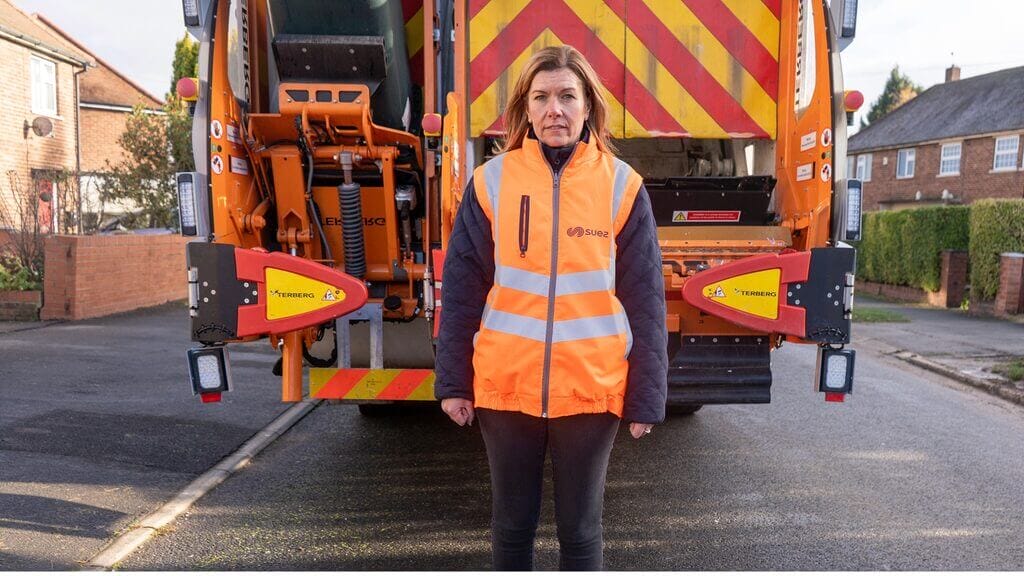
Danni Kelly from Suez
Danni Kelly is an Assistant Contract Manager at the SUEZ branch in Doncaster, where she oversees their operations across refuse, recycling, green waste, and trade waste collections. Danni has first hand experience with working during the Christmas period, where the waste they receive massively goes up. This means her teams have to be more vigilant about preventing waste fires, which they do through using thermal cameras and CCTV to detect smoke smouldering or a fire both within vehicles or at their sites.
Earlier this year, Danni experienced a fire from a battery-powered electrical which caused a fire in one of their bin collection lorries. The fire services were alerted and the crew were instructed to eject the load onto the road to prevent the fire spreading.
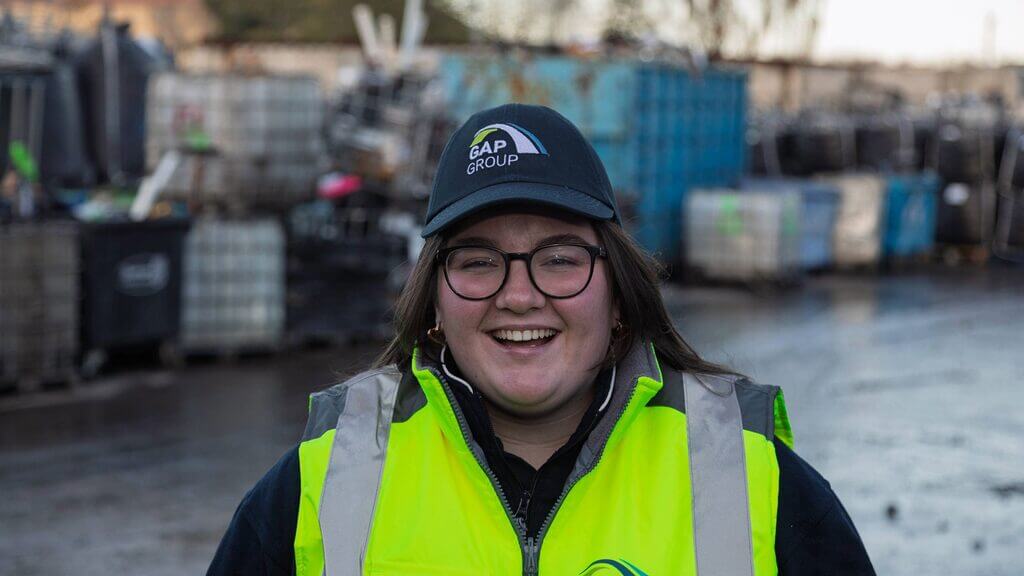
Annabelle Warren from GAP
Annabelle Warren, Commercial Manager at GAP, a specialist nationwide waste electrical recycling plant, supports their waste electrical box service for collecting broken electricals. Her role involves coordinating the distribution and collection of recycling boxes for retailers and offices, and inspecting the electricals for contamination (like packaging and batteries) before they get recycled. She also provides education to companies on the correct ways to recycle electricals and batteries. Annabelle has noticed there’s a major surge in volume in waste electricals over the festive season, with a huge influx of Christmas FastTech, such as fairy lights, light-up snowmen, and electrical kids’ toys, even electrical turkey carving knives, leading to a higher demand for recycling box exchanges from retailers as people discard old or broken electricals.
“When recycling any electrical item, if you can, make sure the battery is removed from the item so that there’s less chance of it being missed and ending up in the wrong waste stream. Most importantly, always recycle separately from household recycling. Battery fires pose the biggest risk to the waste management and recycling sector, ensuring batteries are removed from Christmas tree lights, for example, prior to recycling, and disposed of separately at a battery recycling point, is a simple step we can all take to help mitigate that risk.”
Luke Walter from Biffa
Luke Walter is a Regional Manager at BIFFA covering Aldridge through to Hull, where he oversees day-to-day operations, safety protocols, and the coordination of waste-processing activities across the facility. Luke has first-hand experience working within a high-volume waste environment, where the risks associated with hazardous items being incorrectly disposed of, particularly batteries and vapes, continue to rise. His teams remain vigilant through routine safety checks, monitoring systems, and strict procedures designed to reduce the likelihood of fires on-site.
Earlier this year, Luke was on-site during two significant fires at the Aldridge facility: one in January and another in July. The January incident, caused by a lithium-ion vape, resulted in extensive damage and forced the site into a six-month rebuild. The second fire took place in July, triggered by a battery that had been incorrectly disposed of within the cardboard waste stream. In both cases, Luke witnessed the impact of the fires first-hand, working alongside Biffa colleagues as emergency services were called, crews responded, and the situation was brought under control.
Since these incidents, Luke has been vocal about the growing issue of battery-related fires within the waste sector. He continues to raise awareness about the importance of correctly disposing of batteries, vapes, and small electronic items – emphasising how one incorrectly discarded item can put staff, local residents, and the entire facility at risk.
“Our busiest months are always Christmas into January, and unfortunately that’s also when the risk of fires increases the most. With the spike in waste, more batteries and vapes end up in the wrong place, and they can ignite without warning once they’re compacted. After seeing two fires on-site this year, I want to urge everyone to take a moment to dispose of these items properly. A single battery in the recycling stream can shut down an entire facility and put people in danger.”

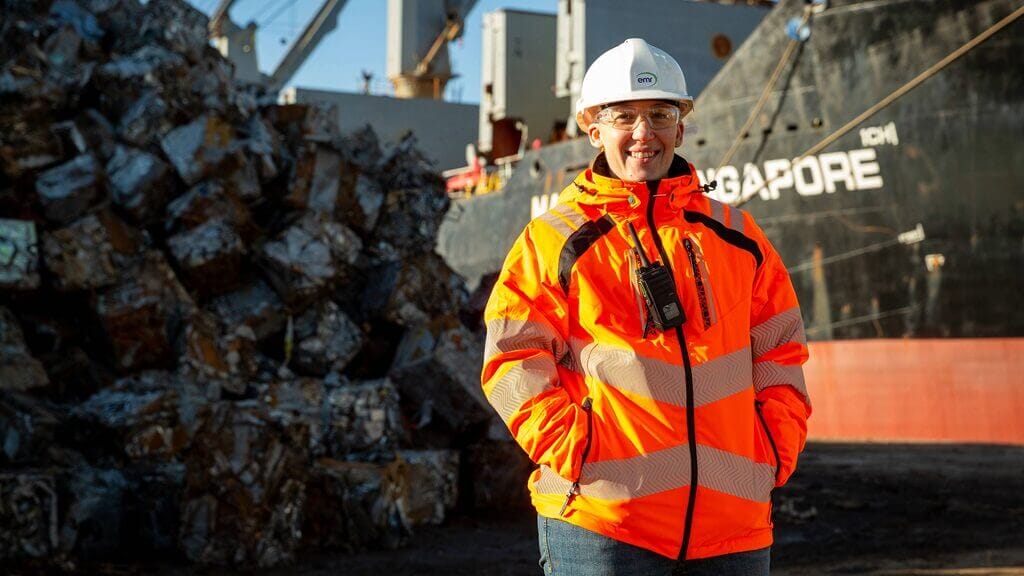
Sammy Hunter from EMR
Sammy Hunter is Export General Manager at EMR, responsible for operations at their Liverpool Gladstone and Liverpool Alexandra docks. She oversees the final stage of the journey for the UK’s recycled materials, ensuring they are prepared for export safely, efficiently, and to the highest quality standards. Sammy and her team carry out detailed inspections to remove contaminants and hazardous items such as lithium-ion batteries. Advanced thermal imaging and infrared monitoring allow the team to detect potential hazards early, helping prevent fires and keeping both staff and communities safe. Lithium-ion batteries are increasingly common in everything from household electronics to electric vehicles, and they are a major fire risk if not handled properly. Sammy has developed specialist protocols, team training, and emergency response systems to manage these risks and protect valuable materials before they leave the docks.
“Christmas always brings surprises in recycling; last year, one of our sites received a full-size metal reindeer! We also get the giant festive displays you see in shopping centres and town squares – once their glittery careers are over, they often end up with us! But behind the festive oddities, we see a real rise in e-waste at this time of year, and with it a growing risk from small, hidden batteries that can ignite when crushed or damaged, putting our colleagues and communities at risk. We have strict controls in place to prevent lithium-ion batteries from entering the site, and my team actively identifies and removes them long before they reach a stockpile or vessel. So, while Christmas is certainly a time for joy and giving, when it comes to lithium-ion batteries in waste, it’s definitely a time for extra caution!”
Bethan Taylor Swaine, resident from Herne Hill, South London
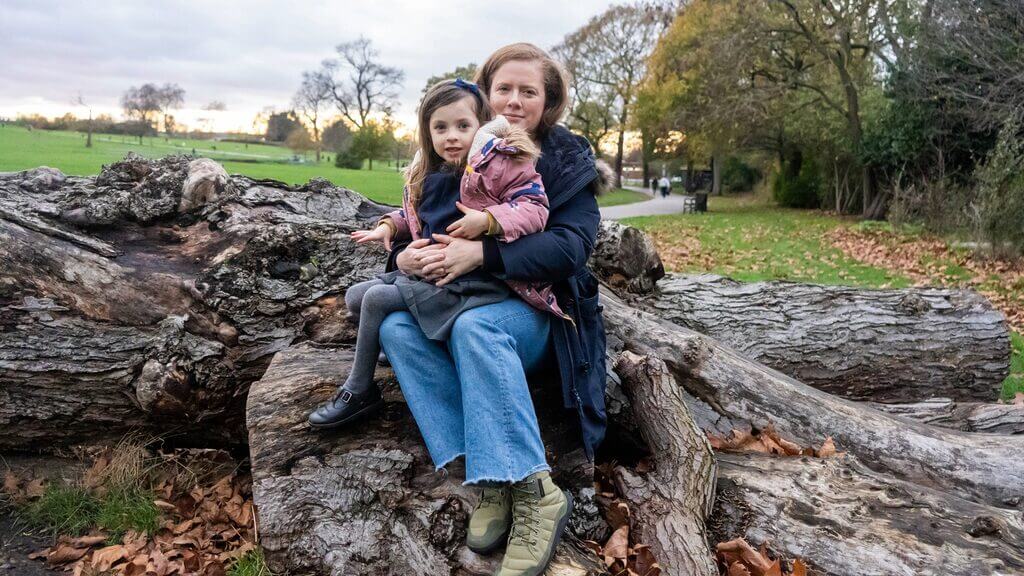
On the 8th September 2023, a dangerous fire broke out at a waste transfer station on Shakespeare Road in Herne Hill, South London. The fire blazed violently for five hours, and even once under control, the fire continued to burn for 4 days. 40-year-old mum-of-one, Bethan Taylor-Swaine, lives within half a mile of where the fire took place. Within two days of the fire starting, Bethan’s daughter, aged two at the time of the fire, developed a persistent cough. Naturally, Bethan was concerned that her daughter’s cough was related to the fire, which was continuing to burn with a thick plume of smoke covering the local area. Bethan took her daughter to a walk-in health centre, and eventually to A&E, where she needed to have blood tests and antibiotics to treat her symptoms – a stressful experience for the family. The fire took place during a national heat wave., and the family was advised to stay indoors with the windows closed. Struggling in the heat in their flat, the family made the decision to move out of the area for a few days until the fire had been fully extinguished.
“We were so close to the fire that the smoke felt like it was everywhere, in our flat, and in the air we breathed. We were told to shut the windows and stay inside for days, and watching my daughter start to struggle with her breathing was terrifying. Her cough got worse so quickly that we decided we just couldn’t stay in London any longer. Once we were out of the city, we took her to urgent care, and later that week she ended up in A&E when her cough didn’t resolve. When you’ve lived through something like that, you realise how dangerous these fires are. Not just for families like ours, but for the firefighters and waste crews who have to face them head-on. With Christmas coming and so many batteries and lights getting binned, it really makes you realise how easily this could happen again. If something’s broken, please take a moment to recycle it the right way. It takes seconds and it could stop another family from going through what we did.”
Don’t let your battery cause the next fire. Visit our Locator to find where you can drop them off safely.
The good news is that it’s easy to recycle electricals safely — use our recycling locator to find your nearest drop-off point for batteries and electrical items.
Find your nearest reuse and recycling point